
Mobile Soil Screening · Greater Indianapolis
We bring a mobile screener and skid steer to your yard, separate the good dirt from the junk, and turn a costly pile into fill dirt and topsoil you can use or sell.
A $75K Turnaround
“Dumping our excavated material was costing us about $50,000 a year. After FTF screened our pile, we're turning that same material into roughly $25,000 a year in profit.”
— Indianapolis-area landscape company owner
The Problem
Wall footers, patio and driveway bases, pools, ponds, sod stripping, tree planting. It all comes out of the ground, and it all has to go somewhere. Most landscapers end up with one of two expensive habits.
Option 1
Every load costs you twice: once at the gate and again getting there.
Option 2
It starts as a place to dump spoils and ends up swallowing your yard.
There's a third option: screen it and sell it.
How It Works
No hauling your pile anywhere. We set up right in your yard and get to work.
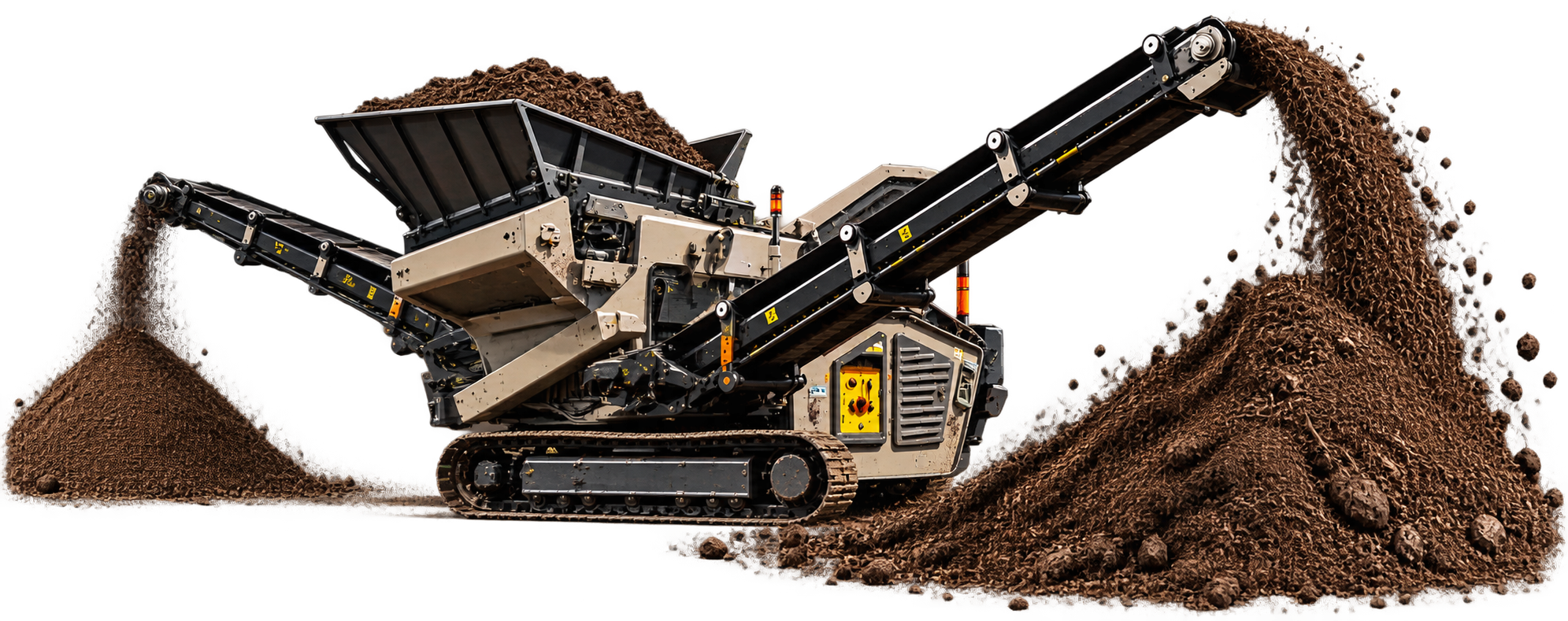
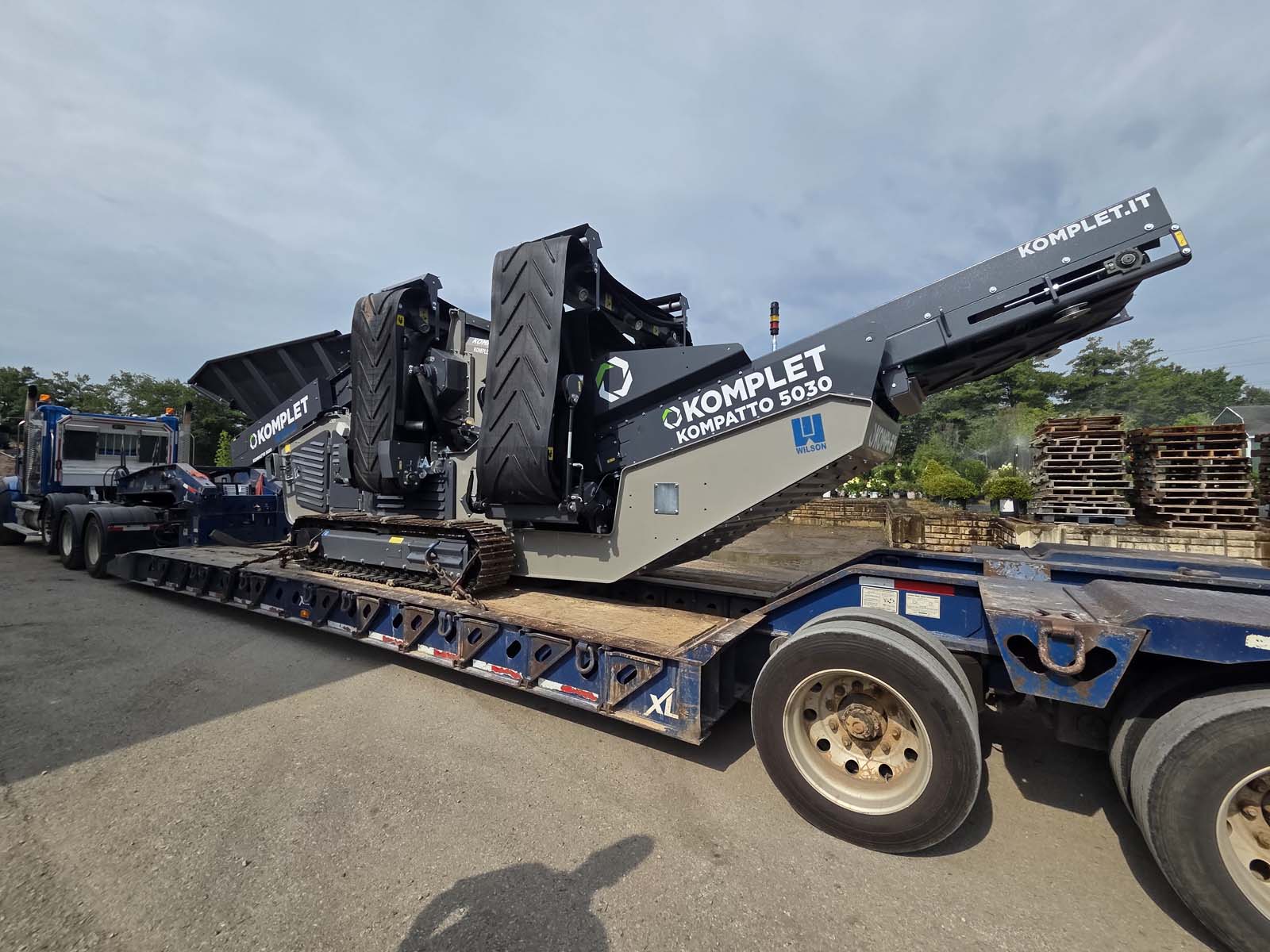
Our tracked mobile screener and skid steer come straight to your property.
Your dump pile is fed through the screener, load after load.
Usable soil drops into its own pile, and rock, roots, and debris come out the other side.
We can coordinate hauling off what can't be used, so you get your space back.
Before We Roll In
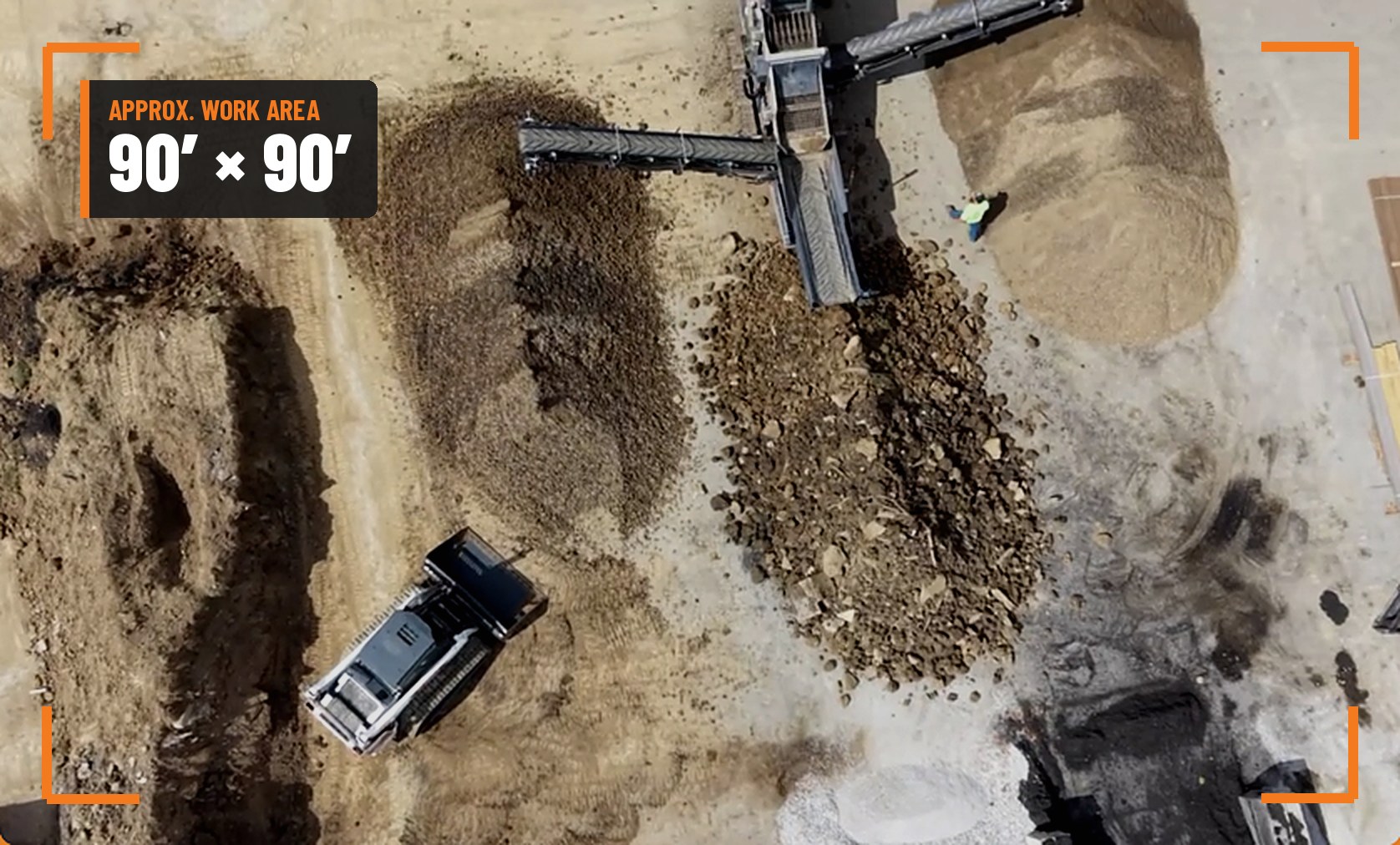
To set up the screener and keep the skid steer moving, we need an open working area of roughly 90 by 90 feet.
Every site is different. Pile size and the layout of your yard can change what's needed, so we'll look at your space during the site visit and let you know what will work.
.jpg)
The Payoff
There's usually good material buried in that pile. Once it's screened, you can use it on your own jobs or sell it to customers.
Clean fill for grading, backfilling, and building up low spots.
Screened topsoil ready for lawns, beds, and finish grading.
With the right amendments, quality soil can become a planting mix.
Every pile is different. What you get depends on the soil you start with, and we'll give you an honest read when we see it.
Built for the Long Haul
If you're always bringing material in and taking soil out to jobs, your pile keeps coming back. So do we.
Set up a regular screening schedule so your pile never gets out of hand.
Stop paying to get rid of dirt and start selling the good stuff back out on jobs.
Recycling soil keeps usable material out of the dump and back in the landscape.
.jpg)
.jpg)
.jpg)
Questions & Answers
Every pile is a little different. Here's what to expect so there are no surprises on screening day.
The screener is built to sort the kind of material landscape jobs dig up. Pulling the junk out of the good dirt is the whole point. What it can't handle is trash and debris that doesn't belong in a dirt pile.
Good to Go
Needs to Come Out First
Honestly, we can't see inside your pile, and neither can you. A mound that looks like clean dirt on top can be hiding years of trash, metal, or old debris underneath.
We plan each job based on what we can see. If we dig in and find buried material that has to be pulled out before it can go through the screener, that sorting takes extra time. When that happens, we'll stop and talk with you before going further, so you're never surprised.
Tell us what you know about your pile: how long it's been building, what kinds of jobs it came from, and whether anything other than dirt has ever been dumped on it. The more we know up front, the better we can plan.
Going forward, keeping trash and debris out of your dirt pile makes every future screening faster.
Rock, roots, and debris come out of the screener in their own pile. When we're done, we can coordinate having that leftover material hauled away so you get your space back.
Yes. We'll set up a site visit to look at your pile, check that there's enough room to work (about 90′ × 90′), and talk through what you'd like to get out of it.
Tell us about your yard and your pile. We'll come take a look and let you know what we can do.